Blog

  •  Understanding Civil Law and its Significance: A Focus on Relevant Sections

     Understanding Civil Law and its Significance: A Focus on Relevant Sections

    As of my last knowledge update in January 2022, there isn’t a specific law or provision known as “494 civil court.” It’s possible that there may have been changes or developments in the legal landscape since then. However, I can provide you with information about civil law in general and the importance of specific sections or rules within civil court proceedings.

    Introduction:

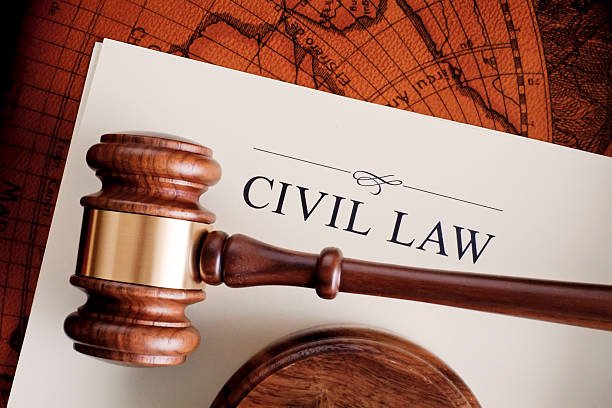
    Civil law plays a pivotal role in maintaining order and justice within a society by addressing disputes between individuals or entities. While specific sections may vary based on jurisdiction, it is essential to understand the fundamental principles that guide civil court proceedings. This article will explore the general framework of civil law and shed light on the importance of specific sections that govern civil disputes.

    Civil Law Overview:

    Civil law encompasses a broad spectrum of legal matters, including contract disputes, family law issues, property disputes, and personal injury cases. The primary objective of civil law is to provide a fair and equitable resolution to conflicts between private parties.

    Key Components of Civil Law:

    1. **Legal Standing:** One of the fundamental principles in civil law is the requirement of legal standing, which ensures that only those directly affected by a dispute have the right to bring a case before the court.

    2. **Burden of Proof:** In civil cases, the burden of proof lies with the plaintiff, who must present evidence to support their claims. This emphasizes the importance of thorough documentation and persuasive argumentation.

    3. **Preponderance of Evidence:** Unlike criminal cases, where guilt must be proven “beyond a reasonable doubt,” civil cases often rely on a preponderance of the evidence. This means that the evidence presented by one party is more convincing than the opposing party’s evidence.

    4. **Judgment and Remedies:** If the court finds in favor of the plaintiff, it may award damages or issue specific remedies to address the harm suffered. These remedies aim to restore the injured party to their original state as much as possible.

    Exploring Relevant Sections:

    While there might not be a specific “494 civil court” provision universally recognized, different jurisdictions have specific sections and rules governing civil proceedings. It is crucial to refer to the applicable laws in a particular jurisdiction for accurate and up-to-date information. Sections related to evidence, procedure, and remedies are commonly significant in civil cases.

    Conclusion:
    Understanding the principles and procedures of civil law is essential for anyone involved in legal disputes. While the specifics may vary, the overarching goal of civil law is to provide a fair and just resolution to conflicts. Legal professionals and individuals alike should stay informed about relevant sections and rules to navigate the complexities of civil court effectively. Always consult the latest legal resources and seek professional advice when dealing with specific cases.

  • Unraveling the Web of Deceit: The High Court and the Law of Scams

    Unraveling the Web of Deceit: The High Court and the Law of Scams

    Introduction:

    In the intricate tapestry of legal frameworks, the High Court stands as a pillar of justice, wielding the power to address and adjudicate upon a myriad of issues. Among these, the law of scams takes center stage, as the High Court plays a crucial role in unraveling the complexities of fraudulent activities that plague our society. This article delves into the intricacies of the law of scams within the purview of the High Court, exploring the mechanisms in place to combat such deceitful practices.

    Understanding the Law of Scams:

    Scams, in their various forms, have become increasingly sophisticated in the digital age. From Ponzi schemes to online fraud, perpetrators are constantly evolving their tactics to exploit unsuspecting individuals. The law of scams encompasses a wide range of fraudulent activities, including financial fraud, identity theft, and deceptive practices aimed at obtaining money or valuable assets through deceit.

    The High Court’s Role:

    The High Court serves as a vital institution in upholding the rule of law and protecting citizens from fraudulent schemes. Its jurisdiction allows for the adjudication of complex scam cases that often span multiple jurisdictions and involve intricate legal questions. The court’s ability to interpret and apply the law is crucial in delivering justice and setting legal precedents.

    1. **Jurisdiction and Cross-Border Scams:**

    Scams often transcend national boundaries, making jurisdiction a critical issue. The High Court’s authority to hear cases that extend beyond regional or national borders enables it to tackle cross-border scams effectively. This jurisdictional reach is essential in an era where scams can be orchestrated from anywhere in the world, necessitating a comprehensive legal response.

    2. **Legal Precedents and Precedent-Setting Cases:**

    High Court decisions play a pivotal role in shaping the legal landscape surrounding scams. Landmark judgments set legal precedents that guide lower courts and establish a framework for interpreting and applying the law. As scams evolve, the High Court’s ability to adapt legal principles ensures that the judiciary remains a formidable force against fraudulent activities.

    3. **Protection of Victims’ Rights:**

    Scams often leave victims in financial ruin and emotional distress. The High Court, in its role as a protector of justice, ensures that victims’ rights are upheld during legal proceedings. This includes the right to seek restitution, the right to privacy, and the right to a fair and transparent legal process. The court’s decisions contribute to the development of victim-centric legal frameworks.

    4. **Adaptability to Technological Advances:**

    The nature of scams has evolved with technological advancements, with cybercrime becoming increasingly prevalent. The High Court must adapt to these changes by interpreting existing laws in the context of emerging technologies and, if necessary, advocating for legislative updates. This adaptability is crucial in staying ahead of the curve and effectively addressing new forms of fraudulent activities.

    Conclusion:

    As the guardian of justice and a beacon of legal wisdom, the High Court holds a pivotal role in combatting the scourge of scams. Its jurisdiction, ability to set legal precedents, protection of victims’ rights, and adaptability to technological advances collectively contribute to a robust legal framework that strives to eradicate fraudulent activities from society. In the relentless pursuit of justice, the High Court remains an indispensable institution in the fight against scams, ensuring that the law serves as a powerful deterrent to those who seek to exploit the unsuspecting.

  • The Supreme Court’s Authority in the Pursuit of Justice: Navigating the Law of Theft

    The Supreme Court’s Authority in the Pursuit of Justice: Navigating the Law of Theft

    Introduction:

    In the grand hierarchy of the legal system, the Supreme Court stands tall as the ultimate arbiter of justice, with the power to interpret and shape the laws that govern our society. Within this expansive purview, the law of theft occupies a significant space, encapsulating a wide array of offenses that strike at the heart of personal property rights. This article explores the Supreme Court’s role in navigating the intricate web of laws surrounding theft, emphasizing its authority in upholding justice and ensuring a fair legal landscape.

    Understanding the Law of Theft:

    Theft, in its various manifestations, is a crime that has persisted throughout human history. From petty larceny to grand theft, the law of theft encompasses offenses that involve the unlawful taking of another person’s property with the intent to permanently deprive them of it. The legal framework surrounding theft is both complex and multifaceted, requiring a judicious application of the law to address the nuances of each case.

    The Supreme Court’s Authority:

    The Supreme Court, as the apex legal authority, wields significant power in shaping the jurisprudence surrounding theft. Its role extends beyond merely hearing individual cases; it involves interpreting statutes, establishing legal principles, and providing guidance to lower courts. The court’s decisions have a profound impact on the legal landscape, setting the tone for how theft cases are adjudicated throughout the country.

    1. **Constitutional Interpretation:**

    The Supreme Court plays a crucial role in interpreting the constitutional aspects of theft laws. This includes ensuring that statutes related to theft align with constitutional principles, such as due process and equal protection. The court’s decisions in cases involving theft contribute to the evolution of constitutional interpretations that shape the broader legal framework.

    2. **Defining Legal Standards:**

    Through its decisions, the Supreme Court helps define legal standards for proving theft. This includes clarifying elements such as intent, ownership, and the value of the stolen property. By establishing clear legal standards, the court ensures that lower courts and legal practitioners have a solid foundation for addressing theft cases consistently.

    3. **Ensuring Procedural Fairness:**

    The Supreme Court is a guardian of procedural fairness in legal proceedings. In theft cases, this involves ensuring that defendants receive a fair trial, with adequate legal representation and a transparent legal process. By upholding procedural fairness, the court reinforces the principle that justice must not only be done but must also be seen to be done.

    4. **Evolution with Technological Advances:**

    Theft has adapted to modern technologies, with cybercrime becoming a significant concern. The Supreme Court must navigate the evolving landscape of theft in the digital age, addressing novel legal questions and setting precedents for cases involving virtual property, identity theft, and other technologically mediated offenses.

    Conclusion:

    In the pursuit of justice, the Supreme Court stands as the ultimate authority in navigating the complex terrain of theft laws. Its role in constitutional interpretation, defining legal standards, ensuring procedural fairness, and addressing emerging challenges reflects the court’s commitment to upholding the rule of law. As society evolves, so too must the Supreme Court, adapting its interpretations to meet the demands of a changing world while steadfastly maintaining the principles that underpin the law of theft. In doing so, the court continues to be a beacon of justice, ensuring that the law serves as a powerful instrument in the fight against theft and the protection of individual property rights.

  • HOUSTON MARITIME ATTORNEY

    HOUSTON MARITIME ATTORNEY

    Introduction

    Houston, Texas, is not only a hub of energy and commerce but also home to one of the busiest ports in the United States—the Port of Houston. The maritime industry plays a vital role in the city’s economy, from shipping and offshore drilling to commercial fishing. However, the maritime profession is not without risks, and accidents at sea can be complex and devastating. In this blog post, we will explore the importance of a Houston maritime attorney, the unique challenges faced by maritime workers, and how these specialized lawyers provide essential assistance to those in the maritime industry.

    The Maritime Industry in Houston

    The Port of Houston, spanning over 25 miles along the Houston Ship Channel, serves as a gateway for global trade and commerce, handling millions of tons of cargo annually. The maritime industry in Houston is diverse, including oil and gas exploration, shipping, fishing, and more. However, the nature of maritime work presents unique risks, and accidents can result in injuries or fatalities.

    Challenges Faced by Maritime Workers

    Maritime workers face a variety of challenges that include:

    1. Unique Legal Environment: The maritime industry operates under a specific set of laws and regulations, which can be complex and differ from standard labor laws.
    2. Accidents at Sea: Working on or near the water poses inherent dangers, with the risk of vessel collisions, machinery malfunctions, fires, and other accidents.
    3. Occupational Hazards: Prolonged exposure to the elements, heavy equipment, and hazardous cargo materials can lead to long-term health issues.
    4. Emotional Toll: Some maritime workers spend extended periods away from their families, facing isolation and mental health challenges.

    The Role of a Houston Maritime Attorney

    1. Legal Expertise: Maritime attorneys in Houston specialize in maritime law and are well-versed in the Jones Act, Longshore and Harbor Workers’ Compensation Act, and other federal and state maritime regulations.
    2. Investigation: These attorneys work with experts to conduct a thorough investigation, determine the cause of an accident, establish liability, and identify all responsible parties.
    3. Compensation Claims: Maritime lawyers assist clients in filing compensation claims for injuries, medical expenses, lost wages, pain and suffering, and other damages resulting from accidents at sea.
    4. Maximizing Compensation: Maritime attorneys work to secure maximum compensation and ensure that clients receive fair settlements for their injuries.
    5. Support and Guidance: Coping with the aftermath of a maritime accident can be emotionally taxing. A compassionate attorney provides not only legal assistance but also emotional support and guidance during this challenging time.

    Choosing the Right Houston Maritime Attorney

    When selecting a Houston maritime attorney, consider the following factors:

    1. Experience: Seek a lawyer with a strong track record of handling maritime cases in Houston.
    2. Legal Specialization: Look for an attorney who specializes in maritime law and has expertise in the complexities of the maritime industry.
    3. Communication: Effective communication is key. Your attorney should keep you informed and explain legal concepts clearly.
    4. Track Record: Request references or look for testimonials from previous clients to gauge the lawyer’s success in handling similar cases.

    Conclusion

    The maritime industry in Houston is essential for both the local and national economy, but it comes with its share of risks and challenges. A Houston maritime attorney plays a pivotal role in assisting maritime workers who face accidents and injuries at sea. These specialized attorneys provide the expertise and support needed to navigate the complexities of maritime law, seek justice, and secure the compensation that workers in this industry deserve. If you are a maritime worker in Houston and have been involved in an accident at sea, don’t hesitate to seek legal representation to protect your rights and secure your future well-being.

  • California Auto Accident Lawyer

    California Auto Accident Lawyer

    Introduction

    California’s vast network of roads and highways is a testament to its car-dependent lifestyle. However, this high volume of traffic also means a greater risk of auto accidents. Whether you’re driving in the bustling streets of Los Angeles or the serene roads of Northern California, accidents can happen when you least expect them. In this blog post, we will explore the vital role of a California auto accident lawyer, the unique challenges of auto accident cases, and how these legal professionals can help you seek justice and compensation after a collision.

    Auto Accidents in California

    California’s diverse landscape offers a wide range of driving conditions, from congested city streets to winding mountain roads. Unfortunately, this diversity of driving environments increases the likelihood of accidents. Common types of auto accidents in California include:

    1. Rear-End Collisions: Often the result of distracted driving or following too closely.
    2. T-Bone Accidents: Intersection collisions due to failure to yield or running red lights.
    3. Sideswipes: Occur when two vehicles traveling alongside each other make contact.
    4. Head-On Collisions: Among the most severe accidents, usually resulting from wrong-way driving or reckless overtaking.
    5. Rollovers: Particularly dangerous in larger vehicles like SUVs and trucks, often caused by high-speed maneuvers or sudden lane changes.

    Challenges Faced by Auto Accident Victims

    Auto accidents can lead to a host of challenges, including:

    1. Physical Injuries: From minor cuts and bruises to severe, life-altering injuries, such as spinal cord injuries or traumatic brain injuries.
    2. Emotional Trauma: The aftermath of an accident can lead to emotional distress, anxiety, and post-traumatic stress disorder (PTSD).
    3. Property Damage: Repairing or replacing your vehicle can be a significant financial burden.
    4. Legal Complexities: Navigating the legal system can be confusing, especially when dealing with insurance companies and liability disputes.

    The Role of a California Auto Accident Lawyer

    1. Legal Expertise: Auto accident lawyers specialize in personal injury law, with a deep understanding of California’s traffic laws and regulations.
    2. Investigation: Your attorney will work with accident reconstruction experts and investigators to establish the cause of the accident and determine liability.
    3. Maximizing Compensation: Auto accident lawyers strive to secure compensation for medical expenses, lost wages, pain and suffering, and other damages resulting from the accident.
    4. Negotiation and Litigation: Whether through negotiation or litigation, your lawyer will advocate for your rights and work to secure a fair settlement.
    5. Dealing with Insurance Companies: Insurance companies often try to minimize payouts, but your lawyer will handle negotiations and protect your interests.

    Choosing the Right California Auto Accident Lawyer

    When selecting a California auto accident lawyer, consider the following factors:

    1. Experience: Seek a lawyer with a strong track record of handling auto accident cases in California.
    2. Legal Specialization: Look for an attorney who specializes in personal injury law and has expertise in auto accident cases.
    3. Communication: Effective communication is key. Your attorney should keep you informed and explain legal concepts clearly.
    4. Track Record: Request references or look for testimonials from previous clients to gauge the lawyer’s success in handling similar cases.

    Conclusion

    Auto accidents can happen to anyone in California, leading to physical injuries, emotional trauma, and financial challenges. A California auto accident lawyer plays a crucial role in helping accident victims seek justice and compensation. These legal professionals provide the expertise and support needed to navigate the complexities of personal injury law, ensuring that you receive the compensation you deserve. If you’ve been involved in an auto accident in California, don’t hesitate to seek legal representation to protect your rights and secure your future well-being.

  • maritime lawyer new orleans

    maritime lawyer new orleans

    Introduction

    New Orleans, Louisiana, often called the “Crescent City,” is not only known for its rich cultural heritage but also for its bustling maritime industry. From shipping and fishing to offshore drilling and river transport, the city thrives on its proximity to water. However, working in the maritime sector can be perilous, and accidents at sea are a common occurrence. In this blog post, we will explore the crucial role of a maritime lawyer in New Orleans, the specific challenges faced by maritime workers, and how these specialized attorneys provide essential assistance to those working in the maritime industry.

    The Maritime Industry in New Orleans

    The maritime industry is the lifeblood of New Orleans, with the Port of New Orleans serving as a major gateway for goods to and from the United States. This industry includes a wide range of occupations, such as commercial fishing, shipbuilding, offshore drilling, and port operations. However, with these opportunities come unique risks and hazards associated with working at sea.

    Challenges Faced by Maritime Workers

    1. Maritime Laws: The maritime industry operates under a distinct set of laws and regulations that can be complex and difficult to navigate.
    2. Accidents: Workers in the maritime industry are at risk of accidents, including vessel collisions, machinery malfunctions, fires, and more, which can lead to injuries or fatalities.
    3. Occupational Hazards: Prolonged exposure to elements, heavy equipment, and hazardous cargo materials can result in long-term health issues.
    4. Isolation: Some maritime workers spend extended periods away from their families, facing isolation and mental health challenges.
    5. Legal Jurisdiction: Maritime cases often involve jurisdictional issues, making it essential to have a lawyer who understands the nuances of maritime law.

    The Role of a Maritime Lawyer

    1. Legal Expertise: Maritime lawyers in New Orleans specialize in maritime law and have a deep understanding of the Jones Act, Longshore and Harbor Workers’ Compensation Act, and other federal and state maritime regulations.
    2. Investigation: These attorneys work with experts to investigate accidents thoroughly, helping to determine the cause and establish liability.
    3. Compensation Claims: Maritime lawyers assist clients in filing compensation claims for injuries, medical expenses, lost wages, pain and suffering, and other damages resulting from accidents at sea.
    4. Negotiation and Litigation: Whether through negotiation or litigation, your lawyer will advocate for your rights and work to secure a fair settlement.
    5. Support and Guidance: Dealing with the aftermath of a maritime accident is often challenging. A compassionate lawyer can provide emotional support and guide you through the legal process.

    Selecting the Right Maritime Lawyer in New Orleans

    When choosing a maritime lawyer in New Orleans, consider the following factors:

    1. Experience: Seek a lawyer with a strong track record of handling maritime cases.
    2. Legal Specialization: Look for an attorney who specializes in maritime law and has expertise in the complexities of the maritime industry.
    3. Communication: Effective communication is vital. Your attorney should keep you informed and explain legal concepts clearly.
    4. Track Record: Request references or look for testimonials from previous clients to gauge the lawyer’s success in handling similar cases.

    Conclusion

    The maritime industry is a crucial part of New Orleans’ economy, but it comes with its share of risks and challenges. A maritime lawyer in New Orleans plays a pivotal role in assisting maritime workers who face accidents and injuries at sea. These specialized attorneys provide the expertise and support needed to navigate the complexities of maritime law, seek justice, and secure the compensation that workers in this industry deserve. If you are a maritime worker in New Orleans and have been involved in an accident at sea, don’t hesitate to seek legal representation to protect your rights and secure your future well-being.

  • new york construction accident lawyer

    new york construction accident lawyer

    Introduction

    The skyline of New York City, with its iconic skyscrapers and bustling construction sites, reflects a city in constant evolution. While construction is essential for progress, it is also one of the most dangerous industries, with a high incidence of accidents. In this blog post, we will delve into the importance of a New York construction accident lawyer, the unique challenges faced by construction workers, and how these specialized attorneys play a crucial role in obtaining justice and compensation for victims.

    The Hazards of the Construction Industry

    Construction workers face an array of risks and dangers daily, including but not limited to:

    1. Falls: Working at heights is inherent to the industry, making falls a common cause of accidents.
    2. Falling Objects: Construction sites are dynamic environments, with objects often moving overhead, posing a threat to workers below.
    3. Electrocution: Exposure to live electrical wires can result in severe injuries or fatalities.
    4. Machinery Accidents: The use of heavy equipment and machinery increases the risk of accidents if not operated correctly.
    5. Chemical Exposure: Construction sites may involve exposure to hazardous chemicals and materials.
    6. Structural Failures: The collapse of scaffolding or structures can lead to devastating accidents.

    The Role of a New York Construction Accident Lawyer

    1. Legal Expertise: New York construction accident lawyers specialize in handling construction accident cases and are well-versed in the state’s labor laws and industry-specific regulations.
    2. Investigation: Your attorney will conduct a thorough investigation to determine the cause of the accident, establish liability, and identify all responsible parties.
    3. Workers’ Compensation Claims: Your lawyer will guide you through the process of filing a workers’ compensation claim to ensure you receive benefits for medical bills and lost wages.
    4. Maximizing Compensation: Construction accident lawyers work to secure compensation for medical expenses, lost income, pain and suffering, and other damages resulting from the accident.
    5. Third-Party Claims: In addition to workers’ compensation, your attorney may pursue claims against third parties, such as equipment manufacturers or subcontractors, to maximize your recovery.
    6. Negotiation and Litigation: Whether through negotiation or litigation, your lawyer will advocate for your rights and work to secure a fair settlement.
    7. Emotional Support: Coping with a construction accident can be emotionally taxing. A compassionate attorney provides not only legal assistance but also emotional support and guidance during this challenging time.

    Selecting the Right New York Construction Accident Lawyer

    When choosing a construction accident lawyer in New York, consider the following factors:

    1. Experience: Seek a lawyer with a strong track record of handling construction accident cases in New York.
    2. Legal Specialization: Look for an attorney who specializes in personal injury law and has expertise in construction accidents.
    3. Communication: Effective communication is vital. Your attorney should keep you informed and explain legal concepts clearly.
    4. Track Record: Request references or look for testimonials from previous clients to gauge the lawyer’s success in handling similar cases.

    Conclusion

    Construction accidents in New York are an unfortunate reality, but construction accident lawyers are there to provide vital assistance to victims seeking justice and compensation. If you or a loved one has been involved in a construction accident, don’t hesitate to seek the expertise and support of a New York construction accident lawyer. They are your allies in the complex legal landscape, dedicated to securing the justice and compensation you deserve.

  • How to Compare Car Insurance Quotes in Colorado

    How to Compare Car Insurance Quotes in Colorado

    As a driver in Colorado, you’re probably searching for an affordable way to insure your vehicle. This article will help you navigate Colorado car insurance quotes and how to compare them in order to find coverage tailored specifically to you.

    Insurance premiums depend on several variables, such as your driving record and car details. By answering a few simple questions to obtain personalized quotes from top carriers in your area.


    Rates

    Rates differ among insurance providers and even within one company itself, taking into account factors like your age, driving record, vehicle you drive and location. Furthermore, having multiple policies with one insurer may reduce overall costs.

    Colorado drivers have three insurance levels to choose from, including liability-only policies, full coverage and no-fault. Liability-only plans are the least costly option and only cover legal liability should an accident occur as a result of you.

    However, for greater protection of your own vehicle, full coverage may be the superior option. It offers greater coverage against natural disasters, animal strikes and theft.

    Colorado residents aged 35 with good credit and no driving violations typically pay around $1,860 annually or $155 monthly on full coverage car insurance policies.

    Accidents or tickets for speeding, DUI and other violations can significantly raise your rates – for instance a speeding ticket can raise them 21% while a DUI conviction can bring it up by 66%.

    Young drivers also pay higher car insurance premiums than more experienced ones due to the inherent high risk associated with them. Teen drivers in particular typically pay more than three times what the national average for car insurance costs due to this factor alone.


    Gender and driving history can also play an impactful role in your auto insurance costs, with states such as Hawaii and Massachusetts not considering these details while California, Michigan, North Carolina and Pennsylvania do take them into consideration.

    Insurance companies in Colorado use your age and gender as key indicators to assess your risk of auto accidents, which could make a big difference in your premiums, particularly if you’re male driver.

    One other factor that could have an effect on your rates is which policy you purchase. While certain insurers provide more comprehensive coverage, others might provide greater value for your dollar.

    Drivers can save hundreds of dollars by comparing quotes from different companies and taking advantage of bundle offers from bundlers. This is especially helpful if they also carry other policies with the same provider such as homeowner or renters insurance policies. Reevaluate coverage at least annually or anytime they change jobs or vehicles to optimize savings.

    Coverage

    Colorado residents can choose from various forms of auto insurance coverage to suit their unique needs. Every car policy offers different levels of protection that can be customized according to each driver.

    Liability insurance covers physical harm to others and damage to property if you cause a car accident, and also helps cover legal defense if someone sues for the collision you caused.

    Additional coverage options, such as comprehensive and collision, can help protect your car against weather-related events or theft. While additional policies can add extra costs, they also offer peace of mind.

    Uninsured/underinsured motorist coverage is an essential addition to any car insurance policy in Colorado, as it covers medical bills and property damage from drivers without enough liability coverage. Although not a requirement, having such additional protection could save both yourself and your assets in case you’re involved in an accident with such drivers.

    Accident forgiveness coverage can also be added to your auto policy, providing relief in the form of reduced liability costs should an accident be caused by you and which can help ensure a clean driving history is protected. This coverage could prove particularly helpful if your driving history is spotless.


    Numerous factors can contribute to increasing your Colorado auto insurance premium, such as driving type and model of car, age and credit history. Comparing quotes from multiple providers may save money and provides greater chances for savings by switching providers.

    Certain companies provide discounts for safe drivers, good grades and other factors. Married couples typically experience lower auto insurance premiums as they are seen as being less risky.

    Young drivers can save on car insurance by taking a defensive driving course and maintaining an excellent driving record, while drivers aged 50 or more may qualify for discounts by maintaining continuous coverage for six months or more without allowing their coverage to lapse.

    Colorado state minimum auto insurance requirements for bodily injury and property damage coverage are 25/50/15; however, these may not cover all the damages you sustain from an accident; thus it would be wise to purchase more than these minimum requirements if you possess significant assets or savings.

    Excess

    Excess coverage is one of the best ways to save money on car insurance and protect you if an accident does happen.

    There are various types of excess coverage to suit every need and budget, including voluntary excesses, standard excesses and age related excesses. Be sure to review your policy documents periodically to make sure that the correct excess amount has been set on car, home and contents policies.

    An excess is typically defined as a fixed sum that will be assessed when making any claim, regardless of its size or extent. This amount should be noted on your policy schedule or may appear as small print in its wordsings.

    Setting an excess can be an effective way to bring down the overall cost of car insurance without compromising its quality. But be wary: selecting an excessively high excess could force you to cover any claims yourself out-of-pocket.

    Utilize a quote comparison site to assess and compare excesses offered by various insurance providers – this can be an excellent way of saving money on car insurance, especially if you own multiple cars or need additional protection for your assets.

    As well as comparing excesses between companies, you should make sure your existing coverage provides all relevant features. For instance, if you require comprehensive cover, make sure your insurer provides appropriate levels of collision and theft coverage.

    Car Insurance Quotes Colorado makes getting car insurance easy and convenient; simply enter some basic information about you and your car and within minutes you’ll have quotes from several top companies.

    Driving record

    When it comes to finding an affordable car insurance policy, your driving record can be one of the key determinants. If any tickets or points appear on your record, your rates will likely be more expensive than someone with no violations on record.

    State of Colorado law assigns each offense committed while driving with a point value, and should you accumulate too many points within an specified time, your license could be suspended or revoked.

    Find out how many points are on your license in several ways, such as checking online driving records. Or get one from your local DMV office.

    Your driving record contains details of any traffic infractions, convictions, license suspensions/revocations/DUIs/accidents reported to the Division of Motor Vehicles (DMV). This information is public record and can be used by anyone for employment screening purposes.


    Requesting your driving record from the DMV is possible online, via mail or in person at one of their full-service driver’s license offices. When ordering online you will require both an email address and credit or debit card for purchase; non-certified records cost $9 and certified ones $10.

    Car Insurance Quotes Colorado makes the process quick and straightforward, providing results within days. Plus, with their mobile-friendly portal you can even check your driving record from any device!

    As previously discussed, your driving record is one of the key determinants for car insurance rates in Colorado. Any traffic violations or points on your record could significantly raise premiums.

    Although you cannot entirely eradicate all charges from your record, there may still be ways to lower your rates if any tickets or violations have accrued against you. Colorado provides an online driver education course which may help reduce or even remove points altogether.

    State point systems offer another layer of support in keeping your license valid, and it is advisable to periodically review your driving record to make sure there are no violations that need to be addressed.