Blog

  • The Interplay of Law and Accidents: Navigating the Legal Landscape

    The Interplay of Law and Accidents: Navigating the Legal Landscape

    Introduction:

    Accidents are an unfortunate reality of life, and when they occur, they often bring about a complex intersection of personal, societal, and legal consequences. The legal framework surrounding accidents plays a crucial role in determining liability, compensating victims, and maintaining order in society. This article explores the dynamic relationship between law and accidents, shedding light on the legal aspects that come into play when unforeseen events disrupt the course of daily life.

    The Legal Definition of an Accident:

    In legal terms, an accident is generally defined as an unforeseen and unintended event resulting in harm or damage. The scope of accidents can vary widely, encompassing everything from motor vehicle collisions and workplace mishaps to slip and falls in public spaces. Understanding the legal definition is fundamental to establishing liability and determining the appropriate legal recourse.

    Liability and Negligence:

    One of the central elements in accident law is the concept of negligence. Negligence occurs when an individual or entity fails to exercise reasonable care, leading to harm or injury to another party. Establishing negligence is crucial in determining liability in many accident cases. The injured party must demonstrate that the responsible party had a duty of care, breached that duty, and that the breach directly caused the harm suffered.

    Types of Accident Law:

    Accident law encompasses various specialized areas, each addressing specific types of incidents. Some common branches include:

    1. **Personal Injury Law:** This area focuses on injuries sustained by individuals due to the negligence or intentional actions of others. It includes incidents such as car accidents, slip and falls, and medical malpractice.

    2. **Product Liability:** When accidents result from defective products, this area of law comes into play. Manufacturers and sellers can be held responsible for injuries caused by their products.

    3. **Traffic Law:** Accidents involving vehicles often fall under traffic law, which dictates rules for drivers, pedestrians, and cyclists. Traffic violations can lead to legal consequences for at-fault parties.

    4. **Workers’ Compensation:** When accidents occur in the workplace, workers’ compensation laws govern the process of providing benefits to employees injured on the job, regardless of fault.

    Compensation and Damages:

    In the aftermath of an accident, compensation may be sought through legal channels. Damages can include medical expenses, lost wages, property damage, and pain and suffering. Understanding the types of compensation available is crucial for both victims and those held liable.

    Legal Proceedings:

    The legal process following an accident can involve negotiations, settlements, or, if necessary, litigation. Insurance companies often play a significant role in resolving accident claims, and navigating their processes requires a clear understanding of applicable laws.

    Prevention and Regulation:

    Beyond addressing the aftermath of accidents, the law also plays a role in preventing them. Regulatory measures, such as traffic laws, safety standards, and building codes, are designed to minimize the risk of accidents and ensure public safety.

    Conclusion:

    The relationship between law and accidents is intricate, encompassing a wide range of legal principles and areas of practice. Whether through the establishment of liability, determination of compensation, or the implementation of preventive measures, the legal system plays a crucial role in shaping the consequences and responses to accidents. As individuals navigate the complexities of accident law, understanding their rights and responsibilities is essential for promoting justice, accountability, and a safer society.

  • Navigating the Intersection of Insurance and Law: A Comprehensive Overview

    Navigating the Intersection of Insurance and Law: A Comprehensive Overview

    Introduction:

    Insurance and law are two pillars of modern society that intersect in crucial ways, shaping the landscape of risk management, protection, and legal recourse. This article aims to provide a comprehensive overview of the intricate relationship between insurance and law, exploring how these domains interact, influence one another, and collectively contribute to the stability and security of individuals, businesses, and society as a whole.

    The Foundations:

    Insurance, at its core, is a contractual agreement designed to provide financial protection against specified risks. These risks can range from property damage and personal injury to liability claims. The legal underpinnings of insurance contracts are governed by a body of laws that vary across jurisdictions but generally share common principles. Contract law plays a significant role, as insurance policies are essentially legal agreements between the insured and the insurer.

    Regulation and Compliance:

    Insurance is a heavily regulated industry, with government bodies overseeing its operations to ensure fair practices and consumer protection. Regulatory frameworks differ globally, but they typically address issues such as solvency requirements, market conduct, and consumer rights. The interplay between insurance and law in this context is evident in the need for insurers to comply with these regulations, and the legal consequences for non-compliance.

    Claims and Litigation:

    When insured events occur, policyholders may file claims to seek compensation for losses. The resolution of insurance claims often involves legal processes and may lead to litigation if disputes arise. Insurance law governs the rights and obligations of both parties, addressing issues such as coverage interpretation, claim denials, and bad faith practices. Legal professionals specializing in insurance law play a crucial role in mediating and resolving such disputes.

    Liability and Tort Law:

    Insurance and law intersect prominently in the realm of liability and tort law. Liability insurance is designed to protect individuals and businesses from the financial consequences of legal liability for injuries or damages caused to others. This involves the application of tort law principles, where individuals seek compensation for harm suffered due to the actions or negligence of others. The legal system provides the framework for determining liability and assessing damages.

    Emerging Trends:

    As society evolves, so do the challenges and risks that individuals and businesses face. New technologies, environmental concerns, and global events introduce novel risks that impact the insurance industry. The law must adapt to these changes, shaping regulations and legal frameworks to address emerging issues such as cyber liability, climate-related risks, and pandemics. The collaboration between insurance professionals and legal experts becomes increasingly critical in navigating these uncharted territories.

    Conclusion:

    The intersection of insurance and law is a dynamic and multifaceted landscape that plays a vital role in the functioning of modern societies. As both domains continue to evolve, their interdependence becomes more pronounced, requiring a nuanced understanding of legal principles and insurance practices. Whether addressing contractual obligations, regulatory compliance, claims resolution, or emerging risks, the symbiotic relationship between insurance and law remains essential for fostering resilience, accountability, and justice in an ever-changing world.

  •  Understanding Civil Law and its Significance: A Focus on Relevant Sections

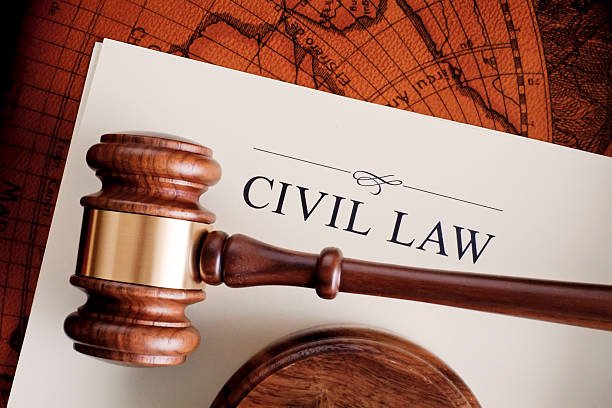
     Understanding Civil Law and its Significance: A Focus on Relevant Sections

    As of my last knowledge update in January 2022, there isn’t a specific law or provision known as “494 civil court.” It’s possible that there may have been changes or developments in the legal landscape since then. However, I can provide you with information about civil law in general and the importance of specific sections or rules within civil court proceedings.

    Introduction:

    Civil law plays a pivotal role in maintaining order and justice within a society by addressing disputes between individuals or entities. While specific sections may vary based on jurisdiction, it is essential to understand the fundamental principles that guide civil court proceedings. This article will explore the general framework of civil law and shed light on the importance of specific sections that govern civil disputes.

    Civil Law Overview:

    Civil law encompasses a broad spectrum of legal matters, including contract disputes, family law issues, property disputes, and personal injury cases. The primary objective of civil law is to provide a fair and equitable resolution to conflicts between private parties.

    Key Components of Civil Law:

    1. **Legal Standing:** One of the fundamental principles in civil law is the requirement of legal standing, which ensures that only those directly affected by a dispute have the right to bring a case before the court.

    2. **Burden of Proof:** In civil cases, the burden of proof lies with the plaintiff, who must present evidence to support their claims. This emphasizes the importance of thorough documentation and persuasive argumentation.

    3. **Preponderance of Evidence:** Unlike criminal cases, where guilt must be proven “beyond a reasonable doubt,” civil cases often rely on a preponderance of the evidence. This means that the evidence presented by one party is more convincing than the opposing party’s evidence.

    4. **Judgment and Remedies:** If the court finds in favor of the plaintiff, it may award damages or issue specific remedies to address the harm suffered. These remedies aim to restore the injured party to their original state as much as possible.

    Exploring Relevant Sections:

    While there might not be a specific “494 civil court” provision universally recognized, different jurisdictions have specific sections and rules governing civil proceedings. It is crucial to refer to the applicable laws in a particular jurisdiction for accurate and up-to-date information. Sections related to evidence, procedure, and remedies are commonly significant in civil cases.

    Conclusion:
    Understanding the principles and procedures of civil law is essential for anyone involved in legal disputes. While the specifics may vary, the overarching goal of civil law is to provide a fair and just resolution to conflicts. Legal professionals and individuals alike should stay informed about relevant sections and rules to navigate the complexities of civil court effectively. Always consult the latest legal resources and seek professional advice when dealing with specific cases.

  • Unraveling the Web of Deceit: The High Court and the Law of Scams

    Unraveling the Web of Deceit: The High Court and the Law of Scams

    Introduction:

    In the intricate tapestry of legal frameworks, the High Court stands as a pillar of justice, wielding the power to address and adjudicate upon a myriad of issues. Among these, the law of scams takes center stage, as the High Court plays a crucial role in unraveling the complexities of fraudulent activities that plague our society. This article delves into the intricacies of the law of scams within the purview of the High Court, exploring the mechanisms in place to combat such deceitful practices.

    Understanding the Law of Scams:

    Scams, in their various forms, have become increasingly sophisticated in the digital age. From Ponzi schemes to online fraud, perpetrators are constantly evolving their tactics to exploit unsuspecting individuals. The law of scams encompasses a wide range of fraudulent activities, including financial fraud, identity theft, and deceptive practices aimed at obtaining money or valuable assets through deceit.

    The High Court’s Role:

    The High Court serves as a vital institution in upholding the rule of law and protecting citizens from fraudulent schemes. Its jurisdiction allows for the adjudication of complex scam cases that often span multiple jurisdictions and involve intricate legal questions. The court’s ability to interpret and apply the law is crucial in delivering justice and setting legal precedents.

    1. **Jurisdiction and Cross-Border Scams:**

    Scams often transcend national boundaries, making jurisdiction a critical issue. The High Court’s authority to hear cases that extend beyond regional or national borders enables it to tackle cross-border scams effectively. This jurisdictional reach is essential in an era where scams can be orchestrated from anywhere in the world, necessitating a comprehensive legal response.

    2. **Legal Precedents and Precedent-Setting Cases:**

    High Court decisions play a pivotal role in shaping the legal landscape surrounding scams. Landmark judgments set legal precedents that guide lower courts and establish a framework for interpreting and applying the law. As scams evolve, the High Court’s ability to adapt legal principles ensures that the judiciary remains a formidable force against fraudulent activities.

    3. **Protection of Victims’ Rights:**

    Scams often leave victims in financial ruin and emotional distress. The High Court, in its role as a protector of justice, ensures that victims’ rights are upheld during legal proceedings. This includes the right to seek restitution, the right to privacy, and the right to a fair and transparent legal process. The court’s decisions contribute to the development of victim-centric legal frameworks.

    4. **Adaptability to Technological Advances:**

    The nature of scams has evolved with technological advancements, with cybercrime becoming increasingly prevalent. The High Court must adapt to these changes by interpreting existing laws in the context of emerging technologies and, if necessary, advocating for legislative updates. This adaptability is crucial in staying ahead of the curve and effectively addressing new forms of fraudulent activities.

    Conclusion:

    As the guardian of justice and a beacon of legal wisdom, the High Court holds a pivotal role in combatting the scourge of scams. Its jurisdiction, ability to set legal precedents, protection of victims’ rights, and adaptability to technological advances collectively contribute to a robust legal framework that strives to eradicate fraudulent activities from society. In the relentless pursuit of justice, the High Court remains an indispensable institution in the fight against scams, ensuring that the law serves as a powerful deterrent to those who seek to exploit the unsuspecting.

  • The Supreme Court’s Authority in the Pursuit of Justice: Navigating the Law of Theft

    The Supreme Court’s Authority in the Pursuit of Justice: Navigating the Law of Theft

    Introduction:

    In the grand hierarchy of the legal system, the Supreme Court stands tall as the ultimate arbiter of justice, with the power to interpret and shape the laws that govern our society. Within this expansive purview, the law of theft occupies a significant space, encapsulating a wide array of offenses that strike at the heart of personal property rights. This article explores the Supreme Court’s role in navigating the intricate web of laws surrounding theft, emphasizing its authority in upholding justice and ensuring a fair legal landscape.

    Understanding the Law of Theft:

    Theft, in its various manifestations, is a crime that has persisted throughout human history. From petty larceny to grand theft, the law of theft encompasses offenses that involve the unlawful taking of another person’s property with the intent to permanently deprive them of it. The legal framework surrounding theft is both complex and multifaceted, requiring a judicious application of the law to address the nuances of each case.

    The Supreme Court’s Authority:

    The Supreme Court, as the apex legal authority, wields significant power in shaping the jurisprudence surrounding theft. Its role extends beyond merely hearing individual cases; it involves interpreting statutes, establishing legal principles, and providing guidance to lower courts. The court’s decisions have a profound impact on the legal landscape, setting the tone for how theft cases are adjudicated throughout the country.

    1. **Constitutional Interpretation:**

    The Supreme Court plays a crucial role in interpreting the constitutional aspects of theft laws. This includes ensuring that statutes related to theft align with constitutional principles, such as due process and equal protection. The court’s decisions in cases involving theft contribute to the evolution of constitutional interpretations that shape the broader legal framework.

    2. **Defining Legal Standards:**

    Through its decisions, the Supreme Court helps define legal standards for proving theft. This includes clarifying elements such as intent, ownership, and the value of the stolen property. By establishing clear legal standards, the court ensures that lower courts and legal practitioners have a solid foundation for addressing theft cases consistently.

    3. **Ensuring Procedural Fairness:**

    The Supreme Court is a guardian of procedural fairness in legal proceedings. In theft cases, this involves ensuring that defendants receive a fair trial, with adequate legal representation and a transparent legal process. By upholding procedural fairness, the court reinforces the principle that justice must not only be done but must also be seen to be done.

    4. **Evolution with Technological Advances:**

    Theft has adapted to modern technologies, with cybercrime becoming a significant concern. The Supreme Court must navigate the evolving landscape of theft in the digital age, addressing novel legal questions and setting precedents for cases involving virtual property, identity theft, and other technologically mediated offenses.

    Conclusion:

    In the pursuit of justice, the Supreme Court stands as the ultimate authority in navigating the complex terrain of theft laws. Its role in constitutional interpretation, defining legal standards, ensuring procedural fairness, and addressing emerging challenges reflects the court’s commitment to upholding the rule of law. As society evolves, so too must the Supreme Court, adapting its interpretations to meet the demands of a changing world while steadfastly maintaining the principles that underpin the law of theft. In doing so, the court continues to be a beacon of justice, ensuring that the law serves as a powerful instrument in the fight against theft and the protection of individual property rights.

  • HOUSTON MARITIME ATTORNEY

    HOUSTON MARITIME ATTORNEY

    Introduction

    Houston, Texas, is not only a hub of energy and commerce but also home to one of the busiest ports in the United States—the Port of Houston. The maritime industry plays a vital role in the city’s economy, from shipping and offshore drilling to commercial fishing. However, the maritime profession is not without risks, and accidents at sea can be complex and devastating. In this blog post, we will explore the importance of a Houston maritime attorney, the unique challenges faced by maritime workers, and how these specialized lawyers provide essential assistance to those in the maritime industry.

    The Maritime Industry in Houston

    The Port of Houston, spanning over 25 miles along the Houston Ship Channel, serves as a gateway for global trade and commerce, handling millions of tons of cargo annually. The maritime industry in Houston is diverse, including oil and gas exploration, shipping, fishing, and more. However, the nature of maritime work presents unique risks, and accidents can result in injuries or fatalities.

    Challenges Faced by Maritime Workers

    Maritime workers face a variety of challenges that include:

    1. Unique Legal Environment: The maritime industry operates under a specific set of laws and regulations, which can be complex and differ from standard labor laws.
    2. Accidents at Sea: Working on or near the water poses inherent dangers, with the risk of vessel collisions, machinery malfunctions, fires, and other accidents.
    3. Occupational Hazards: Prolonged exposure to the elements, heavy equipment, and hazardous cargo materials can lead to long-term health issues.
    4. Emotional Toll: Some maritime workers spend extended periods away from their families, facing isolation and mental health challenges.

    The Role of a Houston Maritime Attorney

    1. Legal Expertise: Maritime attorneys in Houston specialize in maritime law and are well-versed in the Jones Act, Longshore and Harbor Workers’ Compensation Act, and other federal and state maritime regulations.
    2. Investigation: These attorneys work with experts to conduct a thorough investigation, determine the cause of an accident, establish liability, and identify all responsible parties.
    3. Compensation Claims: Maritime lawyers assist clients in filing compensation claims for injuries, medical expenses, lost wages, pain and suffering, and other damages resulting from accidents at sea.
    4. Maximizing Compensation: Maritime attorneys work to secure maximum compensation and ensure that clients receive fair settlements for their injuries.
    5. Support and Guidance: Coping with the aftermath of a maritime accident can be emotionally taxing. A compassionate attorney provides not only legal assistance but also emotional support and guidance during this challenging time.

    Choosing the Right Houston Maritime Attorney

    When selecting a Houston maritime attorney, consider the following factors:

    1. Experience: Seek a lawyer with a strong track record of handling maritime cases in Houston.
    2. Legal Specialization: Look for an attorney who specializes in maritime law and has expertise in the complexities of the maritime industry.
    3. Communication: Effective communication is key. Your attorney should keep you informed and explain legal concepts clearly.
    4. Track Record: Request references or look for testimonials from previous clients to gauge the lawyer’s success in handling similar cases.

    Conclusion

    The maritime industry in Houston is essential for both the local and national economy, but it comes with its share of risks and challenges. A Houston maritime attorney plays a pivotal role in assisting maritime workers who face accidents and injuries at sea. These specialized attorneys provide the expertise and support needed to navigate the complexities of maritime law, seek justice, and secure the compensation that workers in this industry deserve. If you are a maritime worker in Houston and have been involved in an accident at sea, don’t hesitate to seek legal representation to protect your rights and secure your future well-being.

  • California Auto Accident Lawyer

    California Auto Accident Lawyer

    Introduction

    California’s vast network of roads and highways is a testament to its car-dependent lifestyle. However, this high volume of traffic also means a greater risk of auto accidents. Whether you’re driving in the bustling streets of Los Angeles or the serene roads of Northern California, accidents can happen when you least expect them. In this blog post, we will explore the vital role of a California auto accident lawyer, the unique challenges of auto accident cases, and how these legal professionals can help you seek justice and compensation after a collision.

    Auto Accidents in California

    California’s diverse landscape offers a wide range of driving conditions, from congested city streets to winding mountain roads. Unfortunately, this diversity of driving environments increases the likelihood of accidents. Common types of auto accidents in California include:

    1. Rear-End Collisions: Often the result of distracted driving or following too closely.
    2. T-Bone Accidents: Intersection collisions due to failure to yield or running red lights.
    3. Sideswipes: Occur when two vehicles traveling alongside each other make contact.
    4. Head-On Collisions: Among the most severe accidents, usually resulting from wrong-way driving or reckless overtaking.
    5. Rollovers: Particularly dangerous in larger vehicles like SUVs and trucks, often caused by high-speed maneuvers or sudden lane changes.

    Challenges Faced by Auto Accident Victims

    Auto accidents can lead to a host of challenges, including:

    1. Physical Injuries: From minor cuts and bruises to severe, life-altering injuries, such as spinal cord injuries or traumatic brain injuries.
    2. Emotional Trauma: The aftermath of an accident can lead to emotional distress, anxiety, and post-traumatic stress disorder (PTSD).
    3. Property Damage: Repairing or replacing your vehicle can be a significant financial burden.
    4. Legal Complexities: Navigating the legal system can be confusing, especially when dealing with insurance companies and liability disputes.

    The Role of a California Auto Accident Lawyer

    1. Legal Expertise: Auto accident lawyers specialize in personal injury law, with a deep understanding of California’s traffic laws and regulations.
    2. Investigation: Your attorney will work with accident reconstruction experts and investigators to establish the cause of the accident and determine liability.
    3. Maximizing Compensation: Auto accident lawyers strive to secure compensation for medical expenses, lost wages, pain and suffering, and other damages resulting from the accident.
    4. Negotiation and Litigation: Whether through negotiation or litigation, your lawyer will advocate for your rights and work to secure a fair settlement.
    5. Dealing with Insurance Companies: Insurance companies often try to minimize payouts, but your lawyer will handle negotiations and protect your interests.

    Choosing the Right California Auto Accident Lawyer

    When selecting a California auto accident lawyer, consider the following factors:

    1. Experience: Seek a lawyer with a strong track record of handling auto accident cases in California.
    2. Legal Specialization: Look for an attorney who specializes in personal injury law and has expertise in auto accident cases.
    3. Communication: Effective communication is key. Your attorney should keep you informed and explain legal concepts clearly.
    4. Track Record: Request references or look for testimonials from previous clients to gauge the lawyer’s success in handling similar cases.

    Conclusion

    Auto accidents can happen to anyone in California, leading to physical injuries, emotional trauma, and financial challenges. A California auto accident lawyer plays a crucial role in helping accident victims seek justice and compensation. These legal professionals provide the expertise and support needed to navigate the complexities of personal injury law, ensuring that you receive the compensation you deserve. If you’ve been involved in an auto accident in California, don’t hesitate to seek legal representation to protect your rights and secure your future well-being.

  • maritime lawyer new orleans

    maritime lawyer new orleans

    Introduction

    New Orleans, Louisiana, often called the “Crescent City,” is not only known for its rich cultural heritage but also for its bustling maritime industry. From shipping and fishing to offshore drilling and river transport, the city thrives on its proximity to water. However, working in the maritime sector can be perilous, and accidents at sea are a common occurrence. In this blog post, we will explore the crucial role of a maritime lawyer in New Orleans, the specific challenges faced by maritime workers, and how these specialized attorneys provide essential assistance to those working in the maritime industry.

    The Maritime Industry in New Orleans

    The maritime industry is the lifeblood of New Orleans, with the Port of New Orleans serving as a major gateway for goods to and from the United States. This industry includes a wide range of occupations, such as commercial fishing, shipbuilding, offshore drilling, and port operations. However, with these opportunities come unique risks and hazards associated with working at sea.

    Challenges Faced by Maritime Workers

    1. Maritime Laws: The maritime industry operates under a distinct set of laws and regulations that can be complex and difficult to navigate.
    2. Accidents: Workers in the maritime industry are at risk of accidents, including vessel collisions, machinery malfunctions, fires, and more, which can lead to injuries or fatalities.
    3. Occupational Hazards: Prolonged exposure to elements, heavy equipment, and hazardous cargo materials can result in long-term health issues.
    4. Isolation: Some maritime workers spend extended periods away from their families, facing isolation and mental health challenges.
    5. Legal Jurisdiction: Maritime cases often involve jurisdictional issues, making it essential to have a lawyer who understands the nuances of maritime law.

    The Role of a Maritime Lawyer

    1. Legal Expertise: Maritime lawyers in New Orleans specialize in maritime law and have a deep understanding of the Jones Act, Longshore and Harbor Workers’ Compensation Act, and other federal and state maritime regulations.
    2. Investigation: These attorneys work with experts to investigate accidents thoroughly, helping to determine the cause and establish liability.
    3. Compensation Claims: Maritime lawyers assist clients in filing compensation claims for injuries, medical expenses, lost wages, pain and suffering, and other damages resulting from accidents at sea.
    4. Negotiation and Litigation: Whether through negotiation or litigation, your lawyer will advocate for your rights and work to secure a fair settlement.
    5. Support and Guidance: Dealing with the aftermath of a maritime accident is often challenging. A compassionate lawyer can provide emotional support and guide you through the legal process.

    Selecting the Right Maritime Lawyer in New Orleans

    When choosing a maritime lawyer in New Orleans, consider the following factors:

    1. Experience: Seek a lawyer with a strong track record of handling maritime cases.
    2. Legal Specialization: Look for an attorney who specializes in maritime law and has expertise in the complexities of the maritime industry.
    3. Communication: Effective communication is vital. Your attorney should keep you informed and explain legal concepts clearly.
    4. Track Record: Request references or look for testimonials from previous clients to gauge the lawyer’s success in handling similar cases.

    Conclusion

    The maritime industry is a crucial part of New Orleans’ economy, but it comes with its share of risks and challenges. A maritime lawyer in New Orleans plays a pivotal role in assisting maritime workers who face accidents and injuries at sea. These specialized attorneys provide the expertise and support needed to navigate the complexities of maritime law, seek justice, and secure the compensation that workers in this industry deserve. If you are a maritime worker in New Orleans and have been involved in an accident at sea, don’t hesitate to seek legal representation to protect your rights and secure your future well-being.